


California HOAs must take fire and life safety seriously, especially when they manage shared buildings, amenities, and common areas. Title 19 is one of the key regulations associations should understand because it affects how certain safety systems are installed, maintained, inspected, and enforced.
What is Title 19?
Title 19 is part of the California Code of Regulations and is commonly connected with public safety rules overseen by the Office of the State Fire Marshal. The Office of the State Fire Marshal focuses on fire prevention and helps regulate buildings where people live, gather, or are confined. It also develops and reviews regulations and building standards related to fire protection.
Title 19 of the California Code of Regulations covers several areas of public safety, but HOAs are most likely to encounter it through fire prevention and life safety obligations. These obligations can apply to condominiums, townhome communities, high-rise residential buildings, clubhouses, parking structures, recreation rooms, pool facilities, and other association-controlled spaces.
Title 19 should be read together with local fire codes, the California Fire Code, and the association’s governing documents. Local fire departments and fire prevention bureaus often serve as the authority having jurisdiction, which means they may inspect the property and enforce applicable requirements. California fire code materials state that Title 19, Division 1 regulations may be enforced by the State Fire Marshal, city or county fire departments, fire protection districts, and their authorized representatives.
How Title 19 Applies to HOA Common Areas
Title 19 is especially relevant when an HOA controls areas used by residents, guests, vendors, and HOA emergency responders. The board’s duty is not limited to paying invoices after an inspection. The association should make sure common areas remain safe, accessible, and properly maintained throughout the year.
Common area fire safety includes keeping exit routes clear, maintaining required equipment, allowing access for emergency vehicles, and addressing hazards before they become violations. Title 19 requires certain buildings or portions of buildings to be maintained in a neat and orderly condition, free from fire or life hazards. It also addresses proper storage and disposal of waste materials.
This can affect everyday HOA operations. Storage in electrical rooms can become a fire issue. Boxes in stairwells can create an egress issue. Overflowing trash areas can become a hazard. Dry vegetation near regulated buildings may also raise concerns under Title 19 requirements.
Fire Safety Systems and Maintenance
Many California HOAs are responsible for fire alarms, fire sprinklers, fire extinguishers, emergency lighting, fire doors, and other life-safety components in common areas. In condominium communities, these systems may also extend into parts of the building that serve individual units.
Fire Sprinklers And Standpipes
Sprinkler and standpipe requirements can be particularly important for mid-rise buildings, high-rise buildings, garages, and larger condominium properties. Annual testing and maintenance may apply, and some work must be performed by appropriately licensed concerns or qualified personnel.
If a report identifies deficiencies, the HOA should act quickly. A delayed repair can increase safety risks, create enforcement problems, and raise insurance concerns. The HOA board should also communicate access requirements to residents when a vendor must enter units or inspect components serving individual homes.
Fire Extinguishers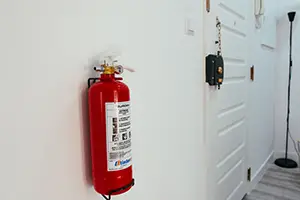
Title 19 also addresses portable fire extinguishers. Required extinguishers must be installed and maintained in accordance with applicable guidelines, and additional extinguishers may be required if the enforcing agency identifies additional hazards.
Fire extinguishers must also be accessible. Title 19 states that extinguishers should not be obstructed or hidden from view and should be placed along normal paths of travel where they are readily available during a fire. For HOAs, this can affect hallways, clubhouses, laundry rooms, parking areas, and recreation facilities.
Access and Egress
Access and egress are major parts of community safety. Emergency responders need clear access to buildings, and residents need clear pathways during an evacuation. Title 19 includes rules for fire department access and egress, requiring that certain access roads from buildings to public streets remain hard-surfaced, unobstructed, and suitable for fire apparatus.
This can affect parking enforcement in an HOA. Vehicles blocking fire lanes, gates, drive aisles, or emergency access roads can create serious safety problems. Boards should make sure parking rules, towing policies, gate access procedures, and vendor instructions support fire department access.
Exit routes also matter. Title 19 provisions prohibit placing items in a way that blocks or obstructs the required width of an exit. In HOA communities, this can involve corridors, stairways, ramps, balconies, and exit passageways in shared buildings.
Title 19 for Condo Associations
Condo HOAs usually face more Title 19-related responsibilities than single-family home associations. This is because condominium associations often maintain shared structures and building systems. A single-family HOA may focus more on clubhouses, gates, private roads, and common area hazards. Meanwhile, a condo HOA may also deal with fire alarms, sprinkler systems, stairwells, corridors, garages, and mechanical rooms.
In a condo building, one resident’s actions can affect the safety of many others. A blocked exit, a damaged sprinkler head, a disabled alarm, or a cluttered electrical room can pose risks beyond a single unit. This is why access procedures and inspection notices are important.
Boards should review the CC&Rs and HOA maintenance matrix to determine who is responsible for each safety component. If the documents are unclear, the board should seek guidance from association counsel and the local fire authority before assigning costs or delaying corrective work.
How HOA Boards Can Stay Compliant
Compliance starts with knowing which buildings and systems the association controls. The board should maintain a current inventory of common area safety equipment. It should also confirm the required inspection schedule with qualified vendors and the local fire authority.
The HOA should also keep inspection reports organized. Reports should show when testing occurred, the deficiencies found, repairs completed, and whether follow-up approval was needed. Good records can help when doing the HOA’s finances.
Boards should budget for recurring inspections and expected repairs instead of treating fire safety as an emergency expense. If a system is aging, reserve planning should account for replacement costs. Professional management can also help coordinate vendors, notices, records, and follow-up work.
Safety and Compliance
California Title 19 applies to HOAs when their buildings, systems, or common areas are subject to fire and life safety requirements. By following these considerations, boards can protect residents while reducing the risk of violations.
Optimum provides expert management services to community associations in Southern California. Call us today at (714) 508-907 or contact us online to learn more!
Related Articles:


