


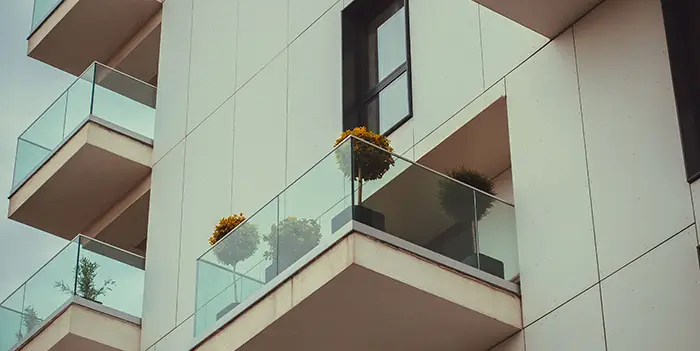
Balcony safety is, and will always be, a concern for homes and condo units. For the state, both HOAs and condo boards need to comply with the current California Balcony Inspection Laws. By complying with these, boards can ensure the safety of residents and users of these fixtures.
What are the California Balcony Inspection Laws?
There are two known balcony inspection laws relevant to homes in California. These are SB326 and SB721, which are both found. Both pieces of legislation involve the inspection of elevated elements found in the exterior of the building. These include balconies, decks, landings, and elevated walkways.
The main difference between these two laws is what they cover. SB326 applies to condominium associations and common interest developments. On the other hand, SB721 covers multifamily apartment complexes with three or more units.
California Balcony Inspection Law: SB 326
Creating Civil Code § 5551, SB 326 balcony inspections cover some COAs that qualify in California. The legislation requires these associations to inspect elevated exterior elements, such as balconies. These elements are usually over six feet above ground level. They should be designed and intended for human use and be supported at least in part by wood. Lastly, the law applies to balconies maintained by the HOA or COA.
Board members should keep in mind that the inspection must be performed by a licensed professional. Contractors and maintenance vendors may assist, but they’re not permitted to formally complete the inspection unless they have the required qualifications.
Under the law, SB326 balcony inspections should be conducted on a random, statistically significant sample of the specified building elements. By doing so, the inspection can evaluate the condition of these fixtures without reviewing every component.
In the written report, inspectors will need to describe the state or condition of the inspected elements. Part of it should also include the estimated remaining lifespan of the fixtures as well as recommendations for repairs or replacements. In cases where inspectors find an emergency safety threat, condo and HOA boards need to take action quickly, including restricting access to the fixture until repairs are made.
The initial compliance deadline, which applies to older HOA and COA communities, was January 1, 2026. However, after that, the law requires inspection at least once every 9 years.
California Balcony Inspection Law: SB 721
There is another California Balcony Inspection Law, similar to SB326. However, this one involves multi-family apartment buildings and a different deadline.
Under this legislation, apartment complexes with three or more units are required to have balcony inspections. Rather than with HOAs or COAs, compliance with this law rests more with property owners.
The stipulations here are similar to the ones provided by SB326. However, the required timing and frequency differ. For this legislation, the initial deadline was January 1, 2026. Additionally, balcony inspections for these properties need to be conducted every six years rather than every nine years.
What Inspectors Look For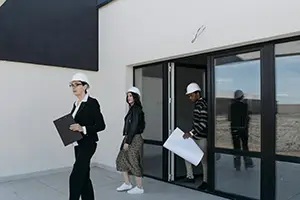
The California balcony inspection laws usually refer to a visual inspection. However, inspectors may use tools and processes that can check for hidden damage without too much disruption.
When checking balconies for condo buildings, some of what inspectors may check include:
- Balcony frames and support connections
- Status of deck surfaces
- Waterproofing
- Functional drainage points
- Connections for railings
- Signs of damage, like cracking, staining, rot, and corrosion, among others.
Condo Balcony Inspections in California: Common Compliance Mistakes
Since the California balcony inspection laws were recently introduced, many condo boards may not yet know how to comply. However, this doesn’t excuse any mistakes you can make.
Here are some common ones that you should avoid:
Confusing SB 326 With SB 721
Since they’re related, SB 326 and SB 721 might be easy to confuse. Others just assume that they work the same way. However, there are key differences to note that are crucial for compliance. More specifically, their deadlines differ, and mistaking one for the other may cause the board to miss them.
Hiring the Wrong Inspector
Many professionals know how to maintain and repair balconies and other elevated structures. However, not all of them are qualified to do the inspection required by California law. Maintenance vendors and contractors can repair damage, but only licensed professionals can verify compliance with all applicable laws and formally conduct the inspection.
Inspecting Only Unit Balconies
While balconies are the most common elevated fixtures connected to dwellings, the inspection doesn’t apply exclusively to them. It applies to other elevated fixtures connected to the building as long as they’re designed for human use and are over six feet above the ground floor. These include stairs, landings, walkways, and railings, among others.
Not Keeping Records
In anything involving managing your planned community, especially for inspections, records should be a priority. Without inspection records, the board can’t use it as a reference when budgeting for repairs or allocating reserve funds. It also helps with board transition by giving newer members a history of past findings and guidance on how to act on them.
How Boards Can Stay Compliant
Boards should treat balcony inspections as part of the association’s regular maintenance and financial planning, not as a one-time legal task. Having a clear process and plan for compliance will make things easier. Here’s what your condominium association can do to prepare.
Review Governing Documents
Like with any action that your community association needs to take, you should first review the governing documents. California balcony inspection laws cover only fixtures that the association maintains. The board should check which elements in the building are included for this.
Create a Complete Inventory
Before an inspection, it’s best practice to keep an inventory of the elevated elements that the law may cover. This helps your inspector have a good starting point. It also lowers the risk of missing any essential components.
Coordinate With Residents
In condominiums, elevated elements and balconies, while maintained by the COA, are only accessible from private units. In these cases, the board needs to notify residents and unit owners of the inspection in advance, specifically through a formal notice.
Act on the Findings
The association’s work doesn’t end with the inspection report. Condo association boards should use the findings from these reports in decision-making. Based on the report, they can pinpoint issues that need to be addressed and how soon they can address them. It also helps them estimate and anticipate future major repairs and possible replacements.
Safety and Compliance
Complying with California balcony inspection laws isn’t just about compliance. It is there to help ensure everyone using these elements remains safe. When done properly, these inspection reports can also help the association in planning reserves and larger expenses in the long run.
Optimum provides expert management services to community associations in Southern California. Call us today at (714) 508-907 or contact us online to learn more!
Related Articles:
- New California HOA Laws In 2026: A Guide On Changes And Updates
- HOA Turf Watering: How the Board Should Follow AB 1572
- 7 Top HOA Maintenance Issues And How To Prevent Them


