


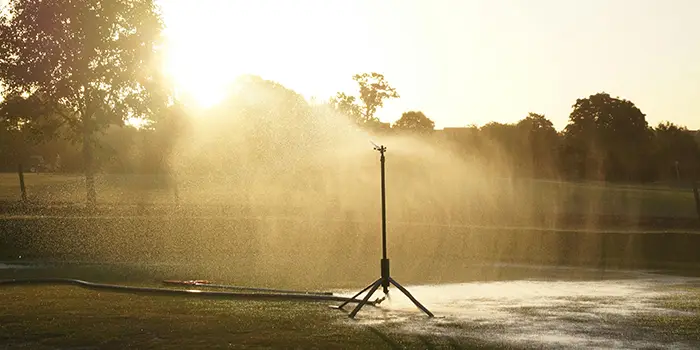
Given that a majority of California is desert, water shortages are a common issue, making conservation all the more important. This includes water used in irrigation. For HOAs, with the upcoming enactment of AB 1572, California associations should start preparing to comply with the new restrictions on HOA turf watering.
What is AB 1572?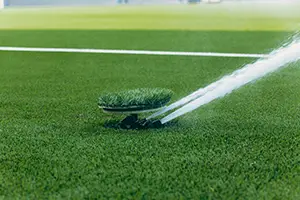
Even with the state being prone to droughts, many communities still use potable water, or safe drinking water, for landscaping and irrigation.
Passed into law back in 2023, AB 1572 creates Water Code Section 10608.14. This piece of legislation specifically restricts the use of potable water on non-functional turf installations.
Given this law, HOAs have until January 1, 2029, to start compliance. On that date, homeowners’ associations are banned from using potable water to irrigate non-functional turf in common areas. This doesn’t necessarily require them to get rid of lawns. Instead, HOAs will have to determine which ones have a real purpose and which ones are only for display.
Since the association handles common area landscaping, HOA turf watering should be a serious board compliance issue. While the deadline is still years away, HOA boards should start reviewing their common-area landscapes and plan a course of action.
What Counts as AB 1572 Non-Functional Turf
Under this legislation, non-functional turf is decorative grass that serves no real, meaningful purpose other than looking pretty. This means it doesn’t have any other significant uses, unlike grass in recreational sports courts and pet run areas. Examples of areas with non-functional turf include narrow sidewalk turf strips and grass on parking lot islands.
The distinction is quite close to call. Some common area lawns near clubhouses and pools may or may not be considered non-functional turf. It depends on whether homeowners actually use it. For this, the HOA board should review the community design and the turf’s location to determine whether the law applies.
How Boards Should Plan Irrigation Changes
The changes that AB 1572 will bring involve planning, not just a landscaping tweak. It even gave HOAs time to prepare for it through landscaping reviews and to identify which turf might be affected.
To determine which areas are affected by the new HOA turf watering law, HOAs can do the following:
Conduct a Complete Community Property Walk-Through
Before anything else, your HOA board needs to check every corner of the community. Part of this would be to review and locate which turf areas are managed by the association. It should also be done with a landscape contractor to make things easier.
When doing the walkthrough, HOAs should be able to identify which ones are functional turf areas and which are only decorative. For functional turf, the HOA should take note of how it’s used.
Review Irrigation Sources
After confirming which landscapes are under the association, check your community’s irrigation system. What’s the water source for your irrigation system? The new California law restricts the use of potable water, so you will have to check whether your irrigation system uses it.
Protect Trees and Permanent Plants
When making changes to your irrigation plan, consider the cornerstone plants in your common landscaping areas. More specifically, trees and permanent plantings should retain access to water, and you may use potable water for them. Your HOA board needs to determine which part of the irrigation system serves specific areas.
Undergoing this step benefits communities in the state that already have mature trees and established landscape features near non-functional turf. If you neglect these plants, the HOA may need to spend more money to rectify the issue, or the community’s curb appeal may suffer.
Plan in Phases
The restriction doesn’t take effect until 2029, so your HOA still has time to implement the necessary changes. You don’t have to change everything all at once. Depending on how extensive the changes are, you can spread the necessary work over the years.
However, the HOA board still needs to know what to prioritize and what to set for later. Additionally, you also spread out the costs and plan them into the HOA budget.
Do I Have Water Rights on my Property?
After the new legislation was passed, many homeowners are now asking this question. The answer to this can also be confusing for a property owner living in an HOA due to potential contradictions between private property rights and common-area responsibilities.
Apart from HOAs and common-area developments, AB 1572 affects only government-run water systems and commercial areas. It doesn’t have jurisdiction over private properties.
While that is the case, there are other local restrictions and HOA regulations that residents must still follow.
What to do Before 2029
The 2029 deadline gives HOAs time to prepare, but landscape projects can take longer than expected. Before that happens, the HOA needs to take the necessary steps to prepare for or transition to new irrigation systems for non-functional turf. Here are the steps they can take before the deadline.
Review the Common Areas
The board should start by identifying all common-area turf. Each area should be classified as functional or nonfunctional based on how residents use it. To make this easier, associations should check photos and plans of these common areas from its records, if they’re available.
Check the Governing Documents
Some HOA documents may still encourage or require traditional lawns. The board should review the CC&Rs, rules, and architectural standards to ensure they are consistent with state legislation and the HOA’s new water conservation goals. If there are amendments to be made to align it with the new law, they would need to be done using the correct process.
Homeowner Coordination
Residents may worry that turf removal will hurt the community’s appearance. The board should explain what AB 1572 requires, which areas may change, and how the association plans to preserve curb appeal. Photos, plant palettes, and sample designs can help homeowners understand the final result.
Prioritizing Practicality
AB 1572 does not require HOAs to remove every lawn, but it does require boards to take a closer look at decorative grass in common areas. With early planning, smart irrigation updates, and clear homeowner communication, associations can bring HOA turf-watering practices into compliance while keeping the community well-maintained.
Optimum provides expert management services to community associations in Southern California. Call us today at (714) 508-907 or contact us online to learn more!
Related Articles:
- New California HOA Laws In 2026: A Guide On Changes And Updates
- A Year-Round Guide to HOA Pool Safety
- HOA Playground Safety Checklist For Boards


