


HOA maintenance issues can affect curb appeal, property values, resident safety, and overall community satisfaction. While every association has different governing documents, most maintenance problems come down to unclear responsibility, delayed repairs, weak planning, or poor communication.
What are HOA Maintenance Issues?
HOA maintenance issues are problems involving the upkeep, repair, replacement, or inspection of association property. These may include common areas, shared amenities, building exteriors, landscaping, private roads, lighting, drainage systems, and other components the HOA is required to maintain.
In many communities, the HOA is generally responsible for maintaining, repairing, and replacing general common elements, while homeowners remain responsible for their own lots or units. Some areas, such as patios, balconies, and limited-use spaces, can create confusion because responsibility depends on the governing documents.
Because of this, boards should not rely on assumptions. The best way to prevent maintenance confusion is to review the CC&Rs, bylaws, rules, plat maps, maintenance matrix, and reserve study before making repair decisions.
HOA Maintenance Challenges
HOA maintenance challenges often begin when the board reacts to problems instead of planning for them. A community may look fine on the surface, but deferred maintenance can quickly turn small issues into expensive repairs.
1. Poor Landscaping Upkeep
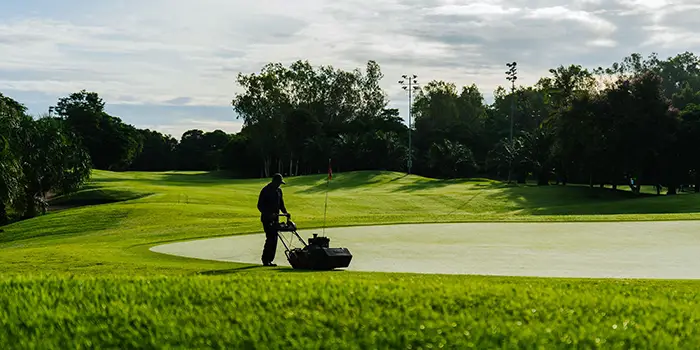
Landscaping is one of the most visible parts of any HOA community. Overgrown grass, dead plants, leaning trees, damaged irrigation, and neglected entryways can make the entire neighborhood feel poorly managed.
To prevent this issue, boards should work with a qualified landscaping vendor and set clear service expectations. The contract should explain how often the vendor will visit, what areas are included, how irrigation problems will be reported, and how seasonal work will be handled.
The board should also conduct routine walkthroughs. These inspections give the HOA a chance to spot declining plant health, broken sprinklers, drainage concerns, and areas that need improvement before homeowners begin filing complaints.
2. Delayed Common Area HOA Maintenance Repairs
Common area maintenance is one of the board’s most important responsibilities. When repairs are delayed, residents may lose trust in the HOA and begin questioning how assessments are being used.
Common examples include broken gates, damaged sidewalks, cracked pavement, faulty lighting, deteriorating fences, and worn-out recreational areas. These problems may seem minor at first, but delays can increase costs and create safety concerns.
Boards can prevent this by creating a formal maintenance request process. Every request should be logged, reviewed, assigned, and tracked until completion. The HOA should also communicate expected timelines so residents understand whether the repair is urgent, routine, or scheduled for a future project.
3. Unclear Repair Responsibility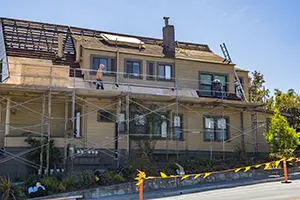
Some of the most common HOA maintenance disputes happen because no one is sure who should pay for a repair. This is especially true in townhome and condominium communities where roofs, exterior walls, plumbing lines, windows, balconies, and exclusive-use areas may have shared responsibility.
A maintenance responsibility chart can help reduce confusion. This chart should identify what the HOA maintains, what homeowners maintain, and what requires case-by-case review. However, the chart must match the governing documents. It should not create new responsibilities that conflict with the CC&Rs.
When responsibility is unclear, the board should consult the association’s attorney or management company before approving repairs. This helps the HOA avoid inconsistent decisions that may lead to future disputes.
4. Inadequate Reserve Planning
Reserve planning helps an HOA prepare for major future expenses. Reserve studies are budget planning tools that help associations understand the components they are responsible for maintaining and replacing, as well as the funding needed for those projects.
Without adequate reserves, an HOA may postpone repairs or rely on special assessments. This can create tension between the board and homeowners, especially when residents feel that large expenses should have been anticipated earlier.
To prevent this, boards should update reserve studies regularly and review reserve funding every budget season. Major components should be tracked by estimated useful life, remaining useful life, current condition, and projected replacement cost.
5. Weak Preventive Maintenance
Preventive maintenance helps extend the life of association assets. CAI has noted that community associations should incorporate preventive maintenance and structural inspections into reserve studies because these tools help identify components the association must maintain or replace.
Without preventive maintenance, the HOA may only act after something breaks. This approach is often more expensive because emergency repairs usually cost more than scheduled service.
Boards can prevent this by creating a maintenance calendar. The calendar should include inspections, vendor service dates, seasonal projects, and recurring maintenance tasks. A strong plan helps the board stay ahead of roof wear, pool equipment problems, gate failures, irrigation leaks, lighting issues, and asphalt deterioration.
6. Poor Vendor Oversight
Even a good vendor can underperform if the HOA does not provide direction. Poor vendor oversight may result in missed visits, incomplete work, vague invoices, slow response times, and inconsistent service quality.
To avoid this, every vendor relationship should begin with a clear written agreement. The contract should define the scope of work, service schedule, reporting expectations, response times, insurance requirements, and payment terms.
The board or management company should also inspect completed work before approving payment for major projects. For recurring services, the HOA should review vendor performance during contract renewals and request updated bids when service quality declines.
7. Poor Communication With Homeowners
Maintenance projects can disrupt residents. Noise, parking restrictions, temporary closures, access needs, and delays can frustrate homeowners when the HOA does not communicate early.
To avoid HOA maintenance disputes, boards should notify residents before major projects begin. The notice should explain the reason for the work, the expected schedule, affected areas, and any steps homeowners need to take. If the timeline changes, the HOA should provide updates instead of waiting for complaints.
Clear communication also helps with smaller repairs. When homeowners report an issue, the HOA should acknowledge the request and explain the next step. Even when a repair cannot be completed immediately, a timely response can help prevent anger and confusion.
How to Prevent HOA Maintenance Issues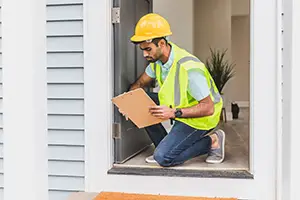
Preventing HOA maintenance issues requires a proactive system. Boards should not wait until complaints pile up or assets begin to fail.
Here are some steps to follow to prevent HOA maintenance issues:
- Understand responsibility: The board should review the governing documents and create a maintenance matrix that separates HOA duties from homeowner duties. This gives residents and vendors a clearer guide for repair requests.
- Inspect the property regularly: Walkthroughs should cover common areas, amenities, exterior components, drainage, landscaping, lighting, signage, fencing, and paved areas. These inspections should be documented so the board can track recurring problems.
- Have a realistic budget: The annual budget should include routine maintenance, vendor contracts, minor repairs, and reserve contributions. Deferred maintenance may seem like a short-term savings strategy, but it often leads to higher long-term costs.
- Keep strong records: The HOA should maintain copies of maintenance requests, inspection reports, proposals, contracts, invoices, warranties, board approvals, and resident notices. These records can help the board make better decisions and respond to homeowner questions.
- Work with professionals: An experienced HOA management company can help coordinate vendors, track maintenance requests, prepare budgets, review contracts, and communicate with homeowners. For technical issues, the board may also need engineers, attorneys, reserve specialists, insurance professionals, and licensed contractors.
Staying Ahead of Maintenance Problems
HOA maintenance issues are easier to manage when the board has clear rules, reliable vendors, realistic budgets, and consistent communication. By planning ahead and addressing small concerns early, associations can reduce disputes, protect community assets, and keep the neighborhood running smoothly.
Optimum provides expert management services to community associations in Southern California. Call us today at (714) 508-907 or contact us online to learn more!
Related Articles:
- How To Achieve Effective HOA Communication With Your Association
- What Are The Responsibilities Of HOA Board Members?
- Aging Condo Buildings In California: What HOA Boards Should Prioritize


