


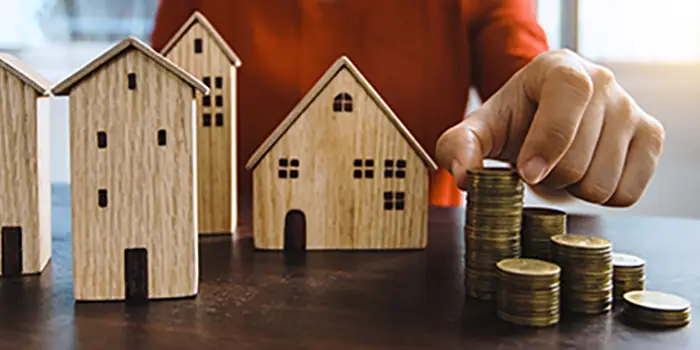
A homeowners association can support stronger home values by protecting the community’s appearance and managing shared assets responsibly. The effect is not automatic because poor governance can make an HOA neighborhood less appealing to buyers.
What is an HOA’s Role in Property Values?
A homeowners association manages shared property under the community’s governing documents. It maintains common areas and may operate amenities. The board collects assessments and enforces rules. It also plans for major repairs.
The HOA’s performance can shape how buyers view the neighborhood. Common-area conditions affect first impressions, while the association’s finances influence the risk of higher fees or special assessments. Rules may protect neighborhood consistency, but excessive restrictions can discourage buyers.
Research generally shows a positive relationship between HOA membership and sale prices. A 2019 study published in the Journal of Urban Economics found that houses in HOAs sold, on average, at least 4% more than observably similar homes outside HOAs. Earlier research found a premium of just under 5%, though it declined with age. These findings do not guarantee higher values. Location and market demand still matter. Property condition and management quality do as well.
Can HOA Increase Property Values?
The answer to “can an HOA increase property values?” is yes, but only when the association delivers benefits that buyers recognize. Dues and restrictions must produce a neighborhood that feels cared for, financially stable, and worth the added cost.
Maintaining Consistent Community Standards
Visible neglect can affect perceptions of the entire neighborhood. An HOA helps reduce this risk by setting reasonable standards for exterior upkeep and responding when properties fall into disrepair.
Consistent maintenance supports curb appeal without requiring every home to look identical. Clean entrances and cared-for building exteriors can create a stronger first impression. Research reviewed by the Foundation for Community Association Research found that covenants may protect owners from nearby conditions that could otherwise reduce housing values.
Caring for Shared Amenities
Amenities add value only when they are useful and properly maintained. A clean pool can attract buyers who want recreational space without the responsibility of owning one. A clubhouse can support community activities when it remains functional and inviting.
The HOA should also decide whether an amenity still meets resident needs. An outdated facility that consumes a large share of the budget may become a burden. Boards should evaluate upgrades based on demand and long-term costs.
Funding Reserves Responsibly
Reserve funding helps the association prepare for major repairs to common assets. A current reserve study allows the board members to understand when components may need replacement and how much the community should save.
Adequate reserves reduce dependence on emergency borrowing or sudden special assessments. They can also signal that the HOA understands its long-term obligations. This matters in condominium communities because lenders review project finances and deferred maintenance. Freddie Mac states that qualifying project reviews generally require reserve funding, while special assessments cannot replace the required reserve allocation.
Managing HOA Finances Properly
An HOA budget should cover current operations while preparing for future needs. Assessments that are unrealistically low may look attractive, but they can leave the association unable to maintain the property.
Good financial management requires accurate budgeting and timely assessment collection. It also requires transparent reporting so owners understand how their money is used. When the board adjusts dues, it should explain how the decision protects the community.
Enforcing Rules Fairly
Reasonable enforcement can preserve neighborhood appeal by preventing neglected exteriors or disruptive property uses. Fair enforcement also gives owners confidence that standards apply consistently.
Rules support value when they address genuine community concerns. Enforcement should follow the governing documents and provide proper notice. Selective or hostile enforcement can produce conflict and harm the community’s reputation.
Using Professional HOA Management
Professional HOA management can help a board turn policies into consistent action. A manager can coordinate maintenance and monitor vendors. Management can also support budgeting and owner communication.
This structure is valuable when volunteers have limited time or technical experience. Management does not replace the board’s authority, but it can help directors complete essential work before small maintenance issues become expensive problems.
Does HOA Affect Property Values Negatively?
The answer to “does HOA affect property values?” can also be yes, in a negative sense. Buyers may avoid a community when the association creates high costs without providing comparable value.
Poor Maintenance and Deferred Repairs
Deferred maintenance can make common areas look worn and allow small defects to become major failures. It may also raise insurance concerns or affect financing in some condominium maintenance projects.
The Foundation for Community Association Research states that maintenance decisions directly affect operating costs and reserve adequacy. It also links deferred maintenance to costly special assessments and property-value risks. Proactive HOA maintenance protects value by addressing deterioration before the community enters crisis mode.
High Fees Without Clear Benefits
HOA fees become a problem when buyers cannot see what they receive in return. A high assessment may be justified in a community with extensive services, but it still affects affordability on a monthly basis.
Buyers compare the total cost of ownership rather than the sale price alone. When dues rise faster than service quality improves, the property may face a smaller pool of buyers. Boards should focus on efficiency instead of keeping fees artificially low or allowing spending to grow without oversight.
Frequent Special Assessments
A special assessment may be necessary after an unexpected event, but repeated assessments can point to weak planning. Buyers may worry that another large charge will arrive soon after closing.
Frequent assessments can complicate resale because sellers may need to disclose pending obligations. A board cannot eliminate every surprise, but regular reserve studies and realistic funding can reduce avoidable financial shocks.
Overly Restrictive Rules
Rules that protect shared interests can help values, while restrictions that go too far can reduce buyer interest. The result depends on whether the rule solves a real problem and reflects current expectations.
Research reviews have found that excessive restrictions can erase some of the value associated with HOA protections. Older covenants may also become less useful as housing preferences change. Boards should review outdated provisions through the proper amendment process.
How HOA Boards Protect Home Values
Boards should treat property-value protection as the result of steady governance rather than a promise of immediate appreciation. The strongest approach is to maintain common property on schedule and fund future repairs before they become emergencies.
The association should also keep restrictions reasonable and communicate financial decisions clearly. When directors use current data and professional guidance, they can better balance community standards with owner affordability.
A Long-Term Investment
HOAs increase property values when they deliver attractive surroundings, reliable services, and responsible financial stewardship. When maintenance fails or rules become burdensome, the same association can reduce buyer interest, making effective governance essential to the neighborhood’s long-term appeal.
Optimum provides expert management services, such as maintenance supervision, to community associations in Southern California. Call us today at (714) 508-907 or contact us online to learn more!
Related Articles:
- Does Improving HOA Curb Appeal Matter?
- HOA Turf Watering: How the Board Should Follow AB 1572
- HOA Architectural Guidelines: Keeping HOA Aesthetics Consistent


