


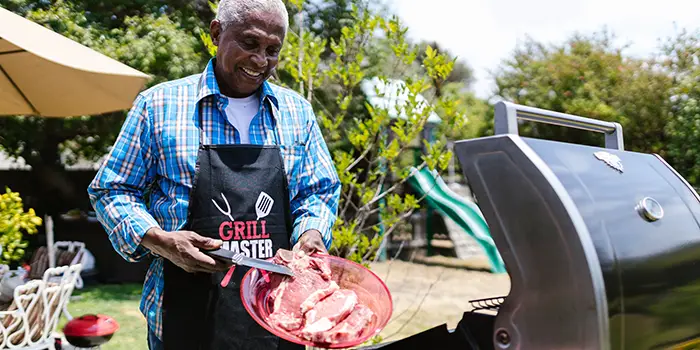
Outdoor cooking is a popular amenity in many managed communities, but it also creates fire, smoke, liability, and neighbor nuisance concerns. Clear HOA grill rules help homeowners understand where grilling is allowed, which equipment is permitted, and how to use barbecue areas safely.
What are HOA Grill Rules?
HOA grill rules are community standards that regulate the use of barbecue grills, outdoor cooking equipment, fuel storage, and shared grilling areas. These rules may appear in the CC&Rs, architectural guidelines, resident handbook, or adopted operating rules.
Effective rules should explain what is allowed without creating confusion. Vague language can lead to uneven enforcement, homeowner complaints, and preventable safety risks.
HOA BBQ Rules for Single-Family Homes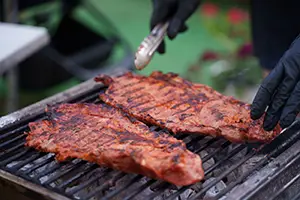
Single-family HOA communities usually have more flexibility because owners have private outdoor space. Still, board members should not assume that all grilling is low risk.
A practical rule should require grills to sit on a stable outdoor surface. The grill should be kept away from siding, deck railings, patio covers, fences, and overhanging branches. NFPA guidance states that propane and charcoal grills should be used only outdoors and placed well away from homes, deck railings, eaves, and overhanging branches. It also recommends keeping grills clean and never leaving them unattended.
Associations can also regulate smoke when it interferes with neighboring homes. The rule should be written carefully so it does not become a blanket ban on ordinary cooking. Instead, it can prohibit repeated smoke intrusion, unsafe placement, and use during local fire restrictions.
For built-in barbecue islands or outdoor kitchens, the HOA may require architectural approval. This allows the board to review location, setbacks, utility connections, ventilation, and exterior appearance before the work begins.
HOA Condo BBQ Rules
HOA condo BBQ rules require closer attention because balconies and patios are often part of the building envelope. Even when a patio feels private, it may be a limited common element or an area subject to association control.
In California, the Fire Code restricts the use of charcoal burners and other open-flame cooking devices on combustible balconies or within 10 feet of combustible construction.
For condos, the safest policy often separates electric grills from open-flame cooking devices. Some communities allow electric grills on balconies when permitted by local code and manufacturer instructions. Others prohibit all cooking devices on balconies because of insurance requirements, building design, or past incidents.
A condo rule should also address storage. Even when a grill is not in use, fuel cylinders, charcoal, lighter fluid, and grease trays can create hazards. Residents should know whether they may store equipment on balconies, inside units, in garages, or in assigned storage spaces.
Can HOA Ban Grills?
The answer depends on the governing documents, state law, local fire code, insurance requirements, and the reason for the restriction.
An HOA can often ban or limit grills when the restriction is tied to safety, fire prevention, nuisance control, or protection of common property. This is especially true in condo buildings where balconies sit close to combustible construction or where local fire codes limit open-flame cooking.
In California, an HOA operating rule is enforceable only when it is written, within the board’s authority, consistent with governing law and the association’s governing documents, adopted in good faith, and reasonable.
This means boards should avoid sudden grill bans unless there is a genuine emergency or a clear legal requirement. A better approach is to identify the risk, cite the fire-code concern, consult legal counsel when necessary, and explain the purpose of the rule to residents.
HOA BBQ Safety
HOA BBQ safety should start with placement. Grills should be used only in approved outdoor areas with enough clearance from buildings, fences, landscaping, furniture, and other combustible materials. Residents should never grill in garages, enclosed patios, interior courtyards without proper ventilation, or areas blocked by overhead coverings.
Propane safety is another concern. Residents should check hoses, valves, and cylinders before use. If they smell gas, they should shut off the gas supply at the tank, move away from the grill, and contact emergency services if the leak persists. The grill lid should be open before lighting to prevent gas buildup.
Charcoal safety requires different rules. Lighter fluid should be used only before ignition, and residents should never add fluid to hot coals. Ashes should cool completely before disposal, and the association should require disposal in a metal container when charcoal grills are allowed.
Grease control also matters. Grease buildup can ignite, causing flare-ups. Residents should clean grates and drip trays regularly. Common-area grills should be inspected and cleaned on a set schedule so one careless user does not create a hazard for the next resident.
Common-Area BBQ Stations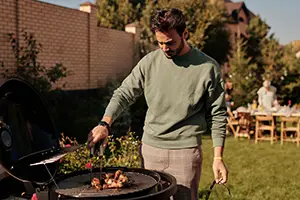
Many associations solve grill restrictions by creating common-area BBQ stations. This gives residents a safe place to cook while keeping open flames away from balconies and building walls.
A common-area BBQ station should have clearly posted operating hours and safety rules, nearby trash containers, and sufficient lighting for evening use. The association should also provide instructions for turning off gas lines, reporting leaks, and cleaning the station after use.
Location is important. The board should work with management, vendors, and local officials to place barbecue stations away from combustible structures and high-traffic areas. The surface should be stable and noncombustible, and the area should allow smoke to disperse without blowing directly into nearby units.
Maintenance should be part of the budget. Shared grills need cleaning, inspections, repairs, and replacement parts. If the association ignores upkeep, the amenity can quickly become a fire risk and a source of homeowner complaints.
How Boards Should Enforce HOA Grill Rules
Enforcement should be consistent, documented, and reasonable. Boards should not wait until summer cookouts begin to remind residents of the rules. Seasonal reminders can help homeowners understand what is allowed before violations happen.
A good enforcement process begins with education. The association can send reminders before major grilling holidays and post notices near common-area BBQ stations. These notices should explain the rule, the safety reason, and the possible consequences for violations.
When a violation occurs, the board should follow the enforcement procedure in the governing documents. This may include a courtesy notice, a hearing, a fine, or a demand to remove unsafe equipment. For serious fire-code issues, management may need to involve the local fire department or require immediate correction.
Boards should also apply rules equally. Selective enforcement can damage credibility and make future violations harder to address. If the association allows one owner to keep a prohibited propane grill on a balcony, other residents may expect the same treatment.
Updating HOA BBQ Rules
Older HOA BBQ rules may not reflect current fire codes, insurance standards, or community needs. Boards should review their policies before peak grilling season and whenever the association changes insurance carriers or completes major building renovations.
The review should compare existing rules with the governing documents, local ordinances, fire-code requirements, and common-area conditions. In California, boards should also follow the required operating rule process when adopting or amending rules.
The best rule language is specific but not overly complicated. It should identify approved grill types, prohibited locations, fuel storage limits, common-area expectations, and consequences for unsafe use. It should also tell residents to follow manufacturer instructions and local emergency restrictions.
Grilling Safely
With clear standards for private homes and common areas, and the safe use of equipment, boards can support outdoor grilling while keeping the community safer for everyone.
Optimum provides expert HOA management services to community associations in Southern California. Call us today at (714) 508-907 or contact us online to learn more!
Related Articles:
- HOA Playground Safety Checklist For Boards
- A Year-Round Guide to HOA Pool Safety
- How To Prepare For An HOA Emergency In Your Community


