


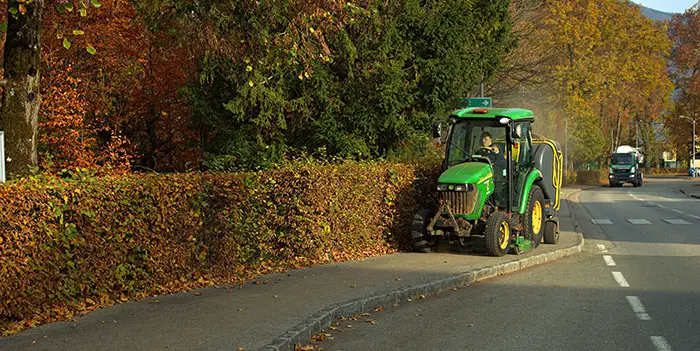
Fall gives HOA boards an opportunity to correct small maintenance issues before seasonal rain, wind, cooler temperatures, and falling debris cause larger problems. A planned approach can protect common property while keeping the community safe and attractive.
What is HOA Fall Maintenance?
HOA fall maintenance is the seasonal inspection, cleaning, servicing, and repair of association-maintained property before climate conditions change. It commonly covers exterior elements, landscaping, common facilities, and equipment.
The exact responsibilities depend on the governing documents. In a condominium association, the HOA may maintain shared roofs and exterior walls. In a planned development, owners may handle more exterior upkeep while the association remains responsible for streets, slopes, parks, and other common areas.
Boards should review the maintenance matrix before assigning work. This prevents confusion and helps the association notify owners when private-property maintenance could affect neighboring homes or common elements.
Why Fall Maintenance in HOA Communities Matters
Seasonal maintenance is not only about appearance. Leaves can block drainage paths, damaged roofing can allow water intrusion, and overgrown vegetation can create pest or fire concerns.
Early inspections give the board time to obtain proposals and schedule qualified vendors before urgent repairs are needed. They also help management document conditions, prioritize reserve-funded work, and separate routine expenses from capital projects.
HOA Fall Maintenance Checklist for Boards
A useful HOA fall maintenance guide should focus on areas most likely to create property damage, resident complaints, or safety concerns. Boards can use inspection reports, maintenance logs, resident reports, and vendor recommendations to determine what needs immediate attention.
Prevent Drainage Problems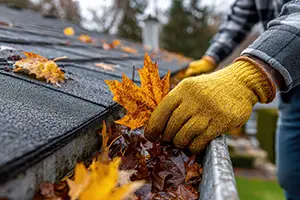
Clogged gutters are a common fall problem. Leaves, seed pods, dirt, and roofing debris can stop water from reaching downspouts. Water may then spill against siding, collect near foundations, or back up beneath roofing materials.
The board should arrange cleaning for association-maintained gutters and confirm that downspouts discharge into proper drainage areas. Roof drains, catch basins, curb inlets, and surface channels should also be cleared before the rainy season.
Gutter cleaning can also support wildfire preparation in Southern California. Dry leaves and other plant debris left on roofs or in gutters may ignite when exposed to wind-blown embers.
Prevent Roof Leaks
A roof leak may become visible only after water has damaged insulation, ceilings, or interior finishes. Fall is a practical time to inspect shared roofs for cracked materials, loose flashing, damaged sealants, blocked drainage points, and ponding.
Boards should use licensed roofing professionals for work requiring roof access or repairs. Vendors can identify weak areas before rain exposes them and recommend whether the association needs minor repairs or more extensive work.
Management should also review prior leak locations. Repeated staining, bubbling paint, musty odors, or resident reports of dampness may indicate an unresolved source.
Reduce Pest Activity
Rodents and insects often seek food, water, and shelter around buildings. Unsealed gaps, damaged screens, overflowing trash enclosures, dense vegetation, and moisture near foundations can make common areas attractive to pests.
An integrated pest management approach corrects those conditions before relying on pesticides. The association should reduce access to food and water while sealing openings that allow pests to enter buildings.
Vendors should inspect utility penetrations, door sweeps, vents, rooflines, storage rooms, and clubhouse kitchens. Branches or shrubs touching buildings should be trimmed because they can provide pests with a route indoors. Trash areas should remain clean and securely closed.
Manage Seasonal Landscaping Risks
Fall landscaping should protect curb appeal and safety. Weak limbs can fall during wind events, while overgrown plants may block sidewalks, lighting, signs, or driver visibility. Roots can also lift paving and create trip hazards.
A certified arborist should evaluate trees showing decline, cracking, leaning, or dead branches. Crews should remove fallen leaves from walkways and drainage areas rather than blowing them into streets or catch basins.
In fire-prone communities, boards should reduce dry vegetation near structures. Dead plant material should be removed, and landscaping should be maintained so vegetation does not create a path toward buildings.
Improve Common-Area Safety
Shorter daylight hours can make hazards harder to see. Boards should inspect sidewalks, stairs, ramps, parking areas, and pathways for cracks, uplifted sections, loose handrails, and uneven surfaces.
Common-area lighting should be tested after sunset. Burned-out fixtures, dirty lenses, damaged wiring, and poorly aimed lights can reduce visibility. Timers and photocells may also require adjustment as daylight hours change.
Prompt repairs can reduce fall risks while improving residents’ sense of security. Temporary warnings or barriers should be used when permanent repairs cannot be completed immediately.
Correct Irrigation Issues
Summer irrigation schedules may waste water in cooler weather. Excess watering can create runoff, muddy areas, algae growth, or slippery pavement. Hidden leaks may also damage landscaping and increase expenses.
The landscape contractor should inspect the system for broken sprinkler heads, clogs, underground leaks, and incorrect spray patterns. Water should be directed away from buildings, walkways, and other hard surfaces.
Boards should also review water bills for unexplained increases. A sudden rise in consumption may point to a leak that is not immediately visible.
Prepare Shared Mechanical Systems
Clubhouses, fitness rooms, and offices may rely on HVAC equipment that needs seasonal service. Dirty filters can restrict airflow, increase energy use, and place unnecessary strain on the system.
Boards should follow vendor schedules for heating systems, pumps, gates, elevators, generators, and ventilation equipment. Seasonal inspections can identify worn parts before equipment fails or requires an emergency service call.
Records should note the service date, the work performed, and any recommended repairs. This information can help the board plan future maintenance and confirm that vendors are meeting contract requirements.
Strengthen Emergency Readiness
Fall is a good time to confirm that emergency systems remain operational. Common-area alarms, fire extinguishers, emergency lighting, exit signs, and access gates should be inspected according to applicable requirements and service schedules.
The board should verify that emergency routes are unobstructed and address markers remain visible. Communities near wildland areas should coordinate vegetation work with local fire-safety guidance and communicate owner responsibilities.
Management should also review emergency contact information and vendor availability. Having current details can help the association respond more quickly to leaks, fallen trees, power outages, or storm damage.
Proper Seasonal Care
Consistent HOA fall maintenance helps boards prevent avoidable damage while preserving shared assets and curb appeal. By acting before seasonal conditions expose weak points, the association can enter fall with fewer emergencies and a clearer maintenance plan.
Optimum provides expert management services to community associations in Southern California. Call us today at (714) 508-907 or contact us online to learn more!
Related Articles:
- 7 Top HOA Maintenance Issues And How To Prevent Them
- HOA Common Areas: How Important Is Proper Maintenance?
- A Year-Round Guide to HOA Pool Safety


