


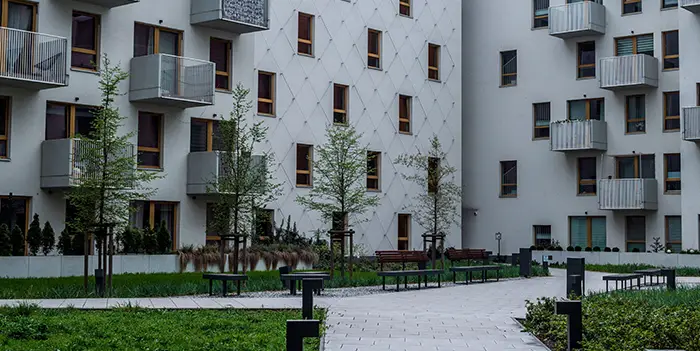
In many planned communities, HOA common areas are plentiful. From common-use amenities to outdoor landscaping, they’re easily visible to people around. This is why properly maintaining them is crucial for both safety and curb appeal.
What are HOA Common Areas?
Common areas in an HOA community are the parts or locations of the neighborhood that the association owns and maintains. They’re in place for the benefit of HOA members. However, the exact definition of common areas may slightly vary from place to place. For yours, see the association’s governing documents.
In most HOA communities, common areas usually include:
- Recreational Spots: These include pools, sports centers, fitness centers, and playgrounds.
- Decorative Elements: This mainly includes the landscaping around the HOA, as well as decorative elements such as statues and monuments.
- Functional Elements: These are the elements everyone uses within the HOA, such as common roads, sidewalks, parking areas, and drainage systems.
Common Areas vs. Common Maintenance Areas
In some HOA communities, the association maintains areas on or near a homeowner’s private lot. These are common maintenance areas and are not necessarily the same as HOA common areas.
Because of their close descriptions, these two types of areas can confuse both residents and even board members. For example, a strip of landscaping beside a property may be mistaken for part of the private property. However, for those, the HOA is still responsible for maintaining them. Because of that, the private homeowner also doesn’t have the authority to change the plants and features in that area without HOA approval.
HOA Common Area Maintenance: Why it Matters
One of the HOA board’s main responsibilities is the upkeep of common areas. The way these places look may reflect how associations handle their responsibilities.
Here are reasons HOA common area maintenance should be taken seriously:
Reduces Liability Risk
When HOAs neglect shared areas, the community may eventually face numerous safety concerns. Things like uneven sidewalks or poor lighting can expose the HOA to significant liability risks.
While the association can’t prevent every accident, proper common-area maintenance still helps minimize such incidents. It keeps these common-use amenities safer for everyone.
Maintains Curb Appeal
Curb appeal matters a lot in HOA neighborhoods, and it’s another reason why common areas should always be well maintained. Unkempt common elements make the neighborhood appear dirty and unsightly, making it undesirable to potential buyers.
Meets Homeowner Expectations
The residents of the HOA community pay HOA fees, expecting them to be used to run and maintain the neighborhood, especially the common areas. Because of this, homeowners expect the association to use their hard-earned money properly. This can be reflected in the way the HOA common areas look.
HOA Not Maintaining Common Areas?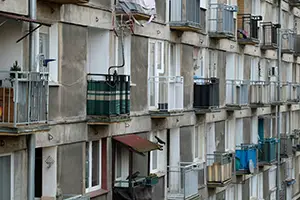
If your homeowners see an HOA failure to maintain common areas, they may file complaints, raising safety concerns as well as concerns about how the HOA budget is being used. If the board doesn’t fulfill this duty, the trust people have in the association can plummet.
Of course, that’s not the only thing that would be negatively impacted. If common areas are neglected, they will become increasingly dirty and sustain more and more damage as long as they’re not repaired. This raises many safety concerns and liability risks as damaged areas are more likely to injure people who may happen to use them.
On top of that, neglecting common areas now can become more expensive later. If you defer the repairs of common elements, instead of prolonging their lifespan and saving money, it may result in bigger repairs later on
What Should Boards Do?
If you notice your association is not keeping up with maintenance, you need to first verify if the HOA has jurisdiction over the location in question. Once it’s confirmed that it’s a common amenity the HOA controls, the board should take immediate action to minimize further problems.
To solve this problem, HOAs generally need to make their maintenance plans more efficient. Here’s what they can do:
- Inspect HOA Common Areas Regularly: The HOA board shouldn’t wait for residents to complain before looking for problems. Part of the maintenance duties should be regular inspections to find structural issues early.
- Hire the Right Contractors: Even though they’re responsible for maintenance, no one expects HOA boards to be experts on it. When inspecting and making repairs, the board should hire qualified contractors. Choose vendors with the right expertise and qualifications.
How to Create a Strong Maintenance Plan
Correcting large-scale issues and making patchwork repairs are only part of the HOA’s maintenance responsibilities. This duty is continuous, so the upkeep should be ongoing. For that, your HOA will need to develop a robust maintenance plan that the association can follow.
When making this maintenance plan, it should outline exactly what the board needs to do and when. It should also include details about possible contractors and the budget allocation for this.
Use the Reserve Study
Reserve studies are crucial for HOAs. It serves as a basis for calculating the ideal amount for your reserve fund. Essentially, this study covers the state of common amenities and elements. It examines its current condition and estimates how long it will take to repair or replace it.
Consult Maintenance Records
In creating a new maintenance plan, HOAs should consult their existing maintenance records. These records usually would include an inventory of the common areas, materials used, details of previous projects and installations, and contractor information.
From there, board members can see what upkeep has already been completed and which issues still need to be resolved.
Communicate With Homeowners
Clear communication can prevent many maintenance disputes. If a repair will take time, homeowners should know why. If a project will affect access, parking, noise, amenities, or assessments, residents should receive advance notice.
Protecting Common Areas
A lot of people tend to take HOA common areas for granted. However, as part of the board, you should know that keeping these well-maintained benefits the community more than people think.
Optimum provides expert management services to community associations in Southern California. Call us today at (714) 508-907 or contact us online to learn more!
Related Articles:
- 7 Top HOA Maintenance Issues And How To Prevent Them
- What Are The Responsibilities Of HOA Board Members?
- HOA BBQ Rules for Single-Family Homes and Condos


