


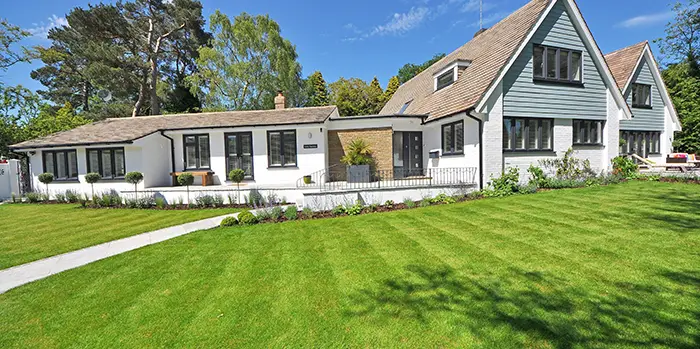
Having a sustainable HOA community will need consistent projects and policies that reinforce it. With regulations aligned with eco-friendly practices, your association can easily make the transition, which your residents can also easily follow.
What is an Eco-Friendly HOA?
Having an eco-friendly HOA means that your association operates and manages your community while factoring in its environmental impact. Some of these factors may involve anything from trash management and recycling to water usage and energy efficiency in your neighborhood.
Transitioning to a green HOA doesn’t need to happen immediately. Instead, it can be gradual but still consistent. This may involve steps such as revising policies and implementing more sustainable practices within the association.
Review HOA Rules Before Making Changes
Before making more sustainable changes to the association, the board must first review the governing documents. Directors should review any HOA rules that may allow for greener choices. Older rules might have limitations for more eco-friendly choices, such as the use of solar panels or plant species for landscaping.
Some of these restrictions may no longer be enforceable. State laws can limit what an HOA may prohibit, especially when a homeowner wants to install solar panels, reduce water use, or add an EV charger.
Boards should avoid rejecting eco-friendly improvements based on appearance alone. In California, Civil Code Section 714 generally prevents HOAs from enforcing rules that effectively prohibit or restrict solar energy systems. Associations can set reasonable requirements, but they cannot impose rules that significantly increase cost or reduce performance.
Florida also limits HOA restrictions on solar collectors and other renewable-energy devices. Texas and Arizona have similar solar protection laws, although associations may still regulate placement, safety, and certain design details.
Choose Water-Wise Landscaping
Landscaping is one of the easiest places to build a sustainable HOA community. The board can replace high-water turf in common areas with native plants, mulch, shade trees, permeable surfaces, or drought-tolerant ground cover.
These changes can reduce water use and lower maintenance costs over time. They can also help the community comply with local drought rules.
A sustainable HOA should not require every yard to follow a thirsty, outdated landscaping standard. Native and climate-appropriate plants often need less irrigation, fertilizer, and pest control.
California Civil Code Section 4735 makes HOA rules void and unenforceable if they prohibit low-water plants as a group or as a replacement for existing turf. Colorado also limits HOA barriers to xeriscaping and water-wise landscaping in covered communities.
Boards can still set standards for maintenance, weeds, drainage, and safety. The goal is not to remove oversight. It is to avoid rules that make conservation impossible.
Make Solar Applications Clear
Solar panels are one of the most common requests in a green HOA. Instead of treating each request as a dispute, the board should create a clear architectural review process.
The standards should explain what documents are required and how the board will review the application. The review should focus on roof safety, wiring, glare, maintenance access, and building code compliance.
Solar applications should be handled quickly. In California, solar applications must be processed in the same manner as other architectural modifications. If the HOA does not deny the application in writing within 45 days, it may be deemed approved unless the delay is tied to a reasonable request for more information.
A timely process also helps avoid homeowner frustration. Even in states without the same deadline, boards should not let solar requests sit unresolved.
Plan For EV Charging
More homeowners are buying electric vehicles, so many HOAs need rules for EV charging. This is especially important in condominiums and townhome communities with shared garages, assigned parking, or limited electrical capacity.
California Civil Code Section 4745 gives homeowners certain protections for EV charging stations in units and designated parking spaces. It also allows HOAs to impose reasonable restrictions and address costs, insurance, and common area installation.
The board should clarify who pays for installation, electricity, damage, maintenance, and removal. If a charger serves one owner, the cost should usually stay with that owner.
For shared chargers, the board can consider user fees, time limits, access rules, and maintenance contracts. This helps support sustainable living in HOAs without creating unfair expenses.
Reduce Waste In Daily Operations
Waste reduction is a simple way to support a sustainable HOA. The board can review recycling areas, trash collection, bulk item disposal, and green waste pickup.
If residents often place items in the wrong area, the solution may be better signage and clearer reminders. In larger communities, trash rooms and dumpster areas should be inspected regularly to prevent overflow and contamination.
The HOA can also reduce paper use. Digital newsletters, online forms, owner portals, and electronic notices can help cut printing and mailing costs. However, the board should still follow state law and governing documents for official notices, elections, and records.
Upgrade Common Area Efficiency
Common area utilities can take a large share of the HOA budget. Lighting, irrigation, pools, gates, clubhouses, and HVAC systems all affect monthly costs.
Boards can start with practical upgrades. Old lights can be replaced with efficient fixtures. Irrigation systems can be adjusted with smart controllers or seasonal schedules. Pool equipment and clubhouse systems may also offer savings.
These projects should be reviewed alongside the reserve study when they involve major components. A sustainable HOA should not only save energy. It should also plan replacements before equipment fails.
Build Homeowner Support
Eco-friendly changes work better when homeowners understand the reason behind them. Boards should explain the cost, expected savings, and maintenance benefits before making major changes.
A committee can help gather ideas and review practical options. Homeowners may know where sprinklers overspray, which landscaped areas struggle, or where recycling rules are being ignored.
Starting small can also help. One lighting upgrade or one redesigned landscape area can show results before the HOA commits to a larger project.
Small Changes for Greener Streets
An eco-friendly HOA is built through consistent decisions, not one major project. With updated rules, legal awareness, and practical planning, the board can create a sustainable HOA community that protects both the neighborhood and its resources.
Optimum provides expert management services to community associations in Southern California. Call us today at (714) 508-907 or contact us online to learn more!
Related Articles:
- HOA Architectural Guidelines: Keeping HOA Aesthetics Consistent
- New California HOA Laws In 2026: A Guide On Changes And Updates
- HOA Turf Watering: How the Board Should Follow AB 1572


