


More and more residents in California are choosing artificial turf as part of their landscaping efforts. The material has many pros and cons, but can associations ban the use of HOA artificial turf in California?
What Is Artificial Turf?
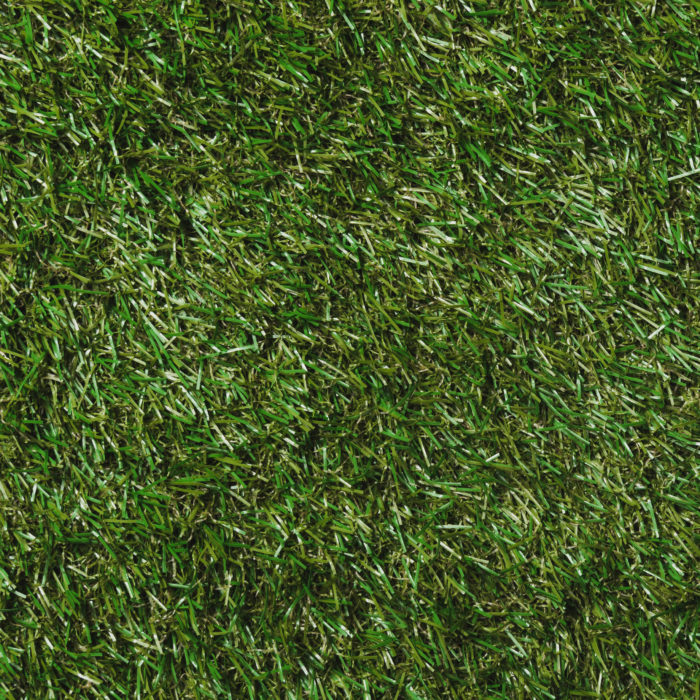
Artificial turf serves as a replacement for real grass used by homeowners in landscaping or their yards. Simply put, it’s a surface designed to look and feel like actual grass, but it’s typically made with artificial or synthetic fibers.
Unlike real grass, turf is installed on a prepared base and is designed to maintain its bright green color with minimal maintenance. It lets residents enjoy the appearance and feel of well-kept grass lawns without the intensive upkeep.
The use of artificial grass is not new. It was once more commonly used on sports fields. When it first came out, it was easy to tell it was plastic because of its hard texture. More recently, however, more people have adopted its use in their yards. Additionally, manufacturers have made it more comfortable, with a look and feel that resembles real grass.
Can Associations Ban Artificial Turf in HOAs?
The views of community associations regarding the use of HOA artificial turf vary. Many welcome its convenience, while others are apprehensive about it.
In California, however, HOAs are not allowed to ban the use of artificial grass in homes.
What is AB 349?
Enacted in 2020, California’s AB 349 amends Civil Code Section 4735, making any provision of a governing document or policy, including architectural or landscaping guidelines, void and unenforceable if it prohibits, or includes conditions that have the effect of prohibiting, the use of artificial turf or other synthetic surface resembling grass.
This bill also amends Civil Code Section 4735, which prohibits associations from requiring a member to remove or reverse water-efficient landscaping measures installed during a drought-related state of emergency once that state of emergency is lifted.
The said piece of legislation was enacted in the state to reduce outdoor water use. Its goal is to help meet the 25-percent statewide water-use reduction mandated by the Governor during droughts.
Common HOA Artificial Turf Guidelines to Expect
While homeowners’ associations can’t ban artificial turf, it still retains some control over several aspects of its use. Here are some guidelines to expect:
HOA Approval
The association may require homeowners to submit an architectural committee request to install artificial turf. They will have to examine whether the turf being installed meets the HOA’s specifications.
Appearance
The HOA may set guidelines for what the artificial turf should look like. They may know what the color should be and how tall the pile height needs to be before approving the installation.
Quality Specifications
Apart from appearance, the HOA may also prescribe certain characteristics the material needs to have. For example, they can outline which level of UV durability the turf should have. They can also indicate the type of backing used for the turf and the face weight.
Environmental Safety Standards
If the HOA has sustainability policies in place, they may also require such requirements for the artificial turf material being installed. They may require homeowners to use only non-toxic and environmentally friendly materials.
Safety Standards
Since California is prone to wildfires, one of the requirements HOAs have for turf materials is their safety. They may want homeowners to install only fire-resistant artificial turf to reduce the risk of damage.
Professional Installations
HOAs may require homeowners to have professionals install the artificial turf. They do so to maintain high standards and appearance. It also helps to ensure that the turf is installed with clean seams and adequate drainage.
Maintenance Standards
Another thing that your HOA can impose is having high maintenance standards. Residents must comply with these standards to use artificial grass. Some such requirements may include ensuring that no weeds grow around the turf and regularly brushing the turf.
Benefits of HOA Artificial Grass
Using HOA artificial turf offers many benefits for both residents and the HOA. Here are some of them:
Helps With Water Conservation
HOA artificial turf doesn’t need the regular upkeep of real grass, which needs proper irrigation. Because of this, using it helps with water conservation efforts, especially during droughts or in places where water isn’t readily available.
Pleasant Appearance All-Year-Round
One of the main benefits artificial turfs may provide HOAs is their curb appeal. Since it’s artificial, high-quality turf maintains its pleasant appearance year-round. Homeowners don’t even need to do extensive maintenance to keep it that way. Artificial turf offers a consistent appearance that helps properties look well-maintained year-round.
Better Property Values
The appearance of artificial turf enhances a property’s overall look. The more pristine and well-kept a home looks, the higher its value. With the beautiful landscaping potential that artificial turf offers, more potential homeowners may be more inclined to move in.
Lower Maintenance Costs
Using HOA artificial turf also has financial advantages. Since it doesn’t need a lot of upkeep, you also don’t have to shell out a lot of money just to maintain it. Furthermore, after hiring professionals to install it, you don’t have to worry about regularly seeking out landscapers and gardeners to maintain it.
Safer Play Areas
Because of how artificial turf is manufactured now, it feels as soft and safe as real grass. This makes it a perfect choice for safer play areas, which may also benefit families who do not have time for extensive lawn upkeep.
A Decent Landscaping Option
Helping conserve water while maintaining appearance and curb appeal doesn’t have to be mutually exclusive. With HOA artificial turf, your residents can get the best of both worlds. As part of the HOA board, it is important to balance these two and enforce rules while complying with the law.
Optimum provides expert management services to community associations in Southern California. Call us today at (714) 508-907 or contact us online to learn more!


