


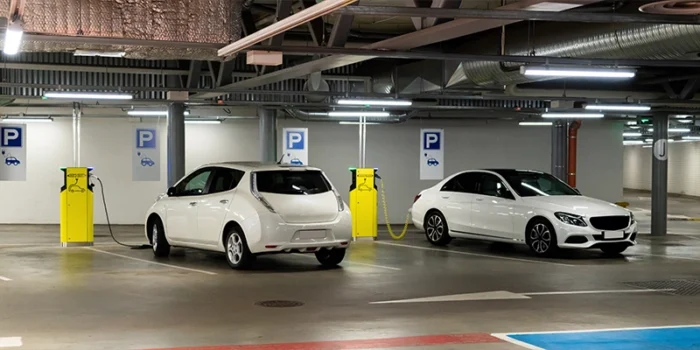
As an eco-friendly alternative to regular cars, electric vehicles are becoming more popular in California. With that, community associations need to adapt and recognize a resident’s right to charge their EVs. Here’s what you need to know about electric car charging in condos and HOAs.
What is EV Charging?
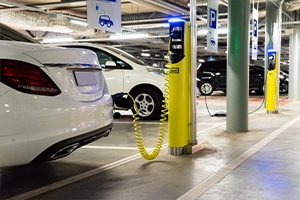
As the name suggests, electric cars run on electricity. Instead of refueling with gas or diesel, traditional cars add fuel to the engine, while EVs are plugged into a charging station or compatible port to recharge their batteries.
Are Homeowners Allowed to Charge EVs in Condos?
As the use of electric vehicles becomes more common, more legislation has been introduced. Many states offer protections, giving homeowners the right to charge their EVs at home.
California Right to Charge Law
In California, everyone who owns a vehicle should be allowed access to electric car chargers in condos and HOAs. In particular, § 4745 of the Davis-Stirling Act bans covenants in community associations that “effectively prohibit or unreasonably restrict the installation or use of an electric vehicle charging station within an owner’s unit or in a designated parking space.” Any rules written in the governing documents that do not comply with this are deemed unenforceable.
Installing EV Chargers for Homeowners
Adding or installing an EV charger in your home garage or parking space requires approval from the community association. In fact, in California, legislation requires that residents obtain HOA approval, formalized in a written agreement. And much like many additions to the home, applying for EV chargers would involve submitting an architectural request to the HOA.
Requirements for Residents
Residents who plan to install EV chargers must comply with certain requirements. These include the following:
- The charging device planned to be installed by a resident must comply with the condo or HOA’s architectural guidelines.
- Residents must hire a licensed contractor to install the charging device. A DIY job is generally not allowed.
- After obtaining HOA approval, the resident must provide a certificate of insurance for the station. This should be done within 14 days of approval, and the association should be listed as an additional insured.
- Pay for the energy used to charge electric cars.
While these are the most common requirements, some states may have added stipulations that homeowners must follow.
Resident Responsibilities
Once a homeowner has an electric car charger installed, they are usually responsible for overseeing it. Here are some of the responsibilities they need to manage:
- Residents who have EV chargers must be responsible for any maintenance, repairs, and future upgrades.
- If they plan to sell their unit or home, the resident is responsible for disclosing the presence of an EV charging station to potential homebuyers. With this, they must also explain the owner’s responsibilities associated with having the station in the home.
HOA Approval Timeline
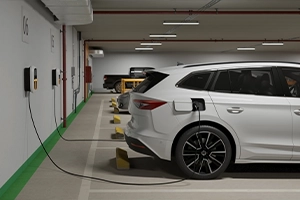
California HOAs and condo associations need to accommodate requests for installing EV chargers. In addition to law-compliant policies, HOA boards should also establish a standard timeline for processing such requests. Usually, the process is quite similar to most other architectural review requests.
Additionally, the HOA board should never ignore any installation applications submitted by residents. Do note, however, that California law would consider any requests approved if the HOA doesn’t make a decision in writing within 60 days following the submission.
The only exception to this would be instances where the decision was delayed due to additional, reasonable requests for more details about the application.
Additionally, the HOA should formalize the approval or denial decision by setting it in writing.
How Much Do EV Chargers Cost?
Electric car charging in condos and HOAs can be pricey for homeowners. If you want to install a charging device at home or in your parking space, you may need to shell out some money. The exact amount, however, may vary a lot.
The overall cost of installing just one personal electric car charger can range anywhere from $2,000 to over $10,000. The price difference would depend heavily on whether the current infrastructure is compatible with the charging system.
Who Pays for Energy Fees?
Using the charger means the owner is also consuming energy. Of course, that’s also money. Who will shoulder the energy cost?
While it’s more typical for the owner of the unit to pay, there are other setups that you may find in your condo or HOA. Here are some examples:
- Community associations may introduce a flat, monthly fee only for those who use or have EV charging stations.
- The association may choose to cover the additional electricity costs as part of its budget. This setup might be more common for HOAs and condos where the association itself provides the charging stations.
- Have a sub-meter specific to the consumption of each electric car charged. This would allow homeowners who charge electric cars in condos or HOAs to pay only for their own consumption. While it’s the most balanced option, some communities may find it tricky to pull off.
- Some community associations would hire a service provider that automatically accounts for energy consumption.
Public EV Charging in HOAs and Condos: Why Consider it?
Community associations may also consider offering their own public EV charging stations. Given the wider adoption of electric vehicles, having one in the community has its benefits.
For one, having charging stations within the community would help both attract new homebuyers and retain residents. Residents move to a home based on their needs. If a house or condo unit doesn’t have EV charging stations, potential or current residents may look elsewhere.
Having EV charging stations helps increase property values. States are working to further improve right-to-charge laws, and part of that effort is expanding access to charging stations. If your HOA or condo already has it on offer, you may have an advantage over property values as the community becomes more desirable.
Additionally, charging stations improve property values. State and local governments continue to add right-to-charge laws that require access to charging solutions. Condos or apartments with charging solutions have a big leg up.
Keeping Up With the Times
Homeowners have the right to access and use electric car charging stations in their community or at their home. As such, community associations also need to adapt and keep up with the times.
Optimum provides expert management services to community associations in Southern California. Call us today at (714) 508-907 or contact us online to learn more!


