


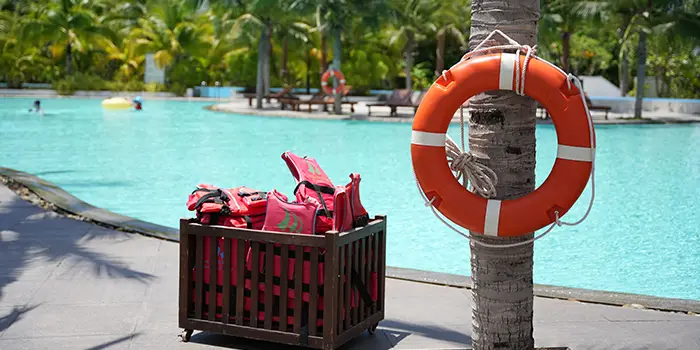
A community pool is a valuable amenity, but it requires constant attention. A seasonal approach to HOA pool safety helps protect residents while keeping the facility secure and compliant with California requirements.
What is HOA Pool Safety?
HOA pool safety is the coordinated management of the aquatic facility and the behavior of its users. Barriers prevent unauthorized entry, while water treatment protects swimmers from unhealthy conditions. Emergency planning prepares staff for incidents, and clear rules guide residents or guests.
Safety is not a summer-only responsibility. Damaged gates can create danger during quiet months, while contaminated water and aging equipment can also become hazards. The board may assign daily work to a qualified operator, but it should still oversee records and vendor performance.
California HOA Pool Safety Requirements
California generally regulates an HOA pool as a public pool rather than a private residential pool. The rules apply to the water and the surrounding facility.
State Public Pool Rules
Title 22 of the California Code of Regulations expressly applies public-pool rules to condominium pools and homeowner association pools. The owner may delegate operating duties, but the owner remains responsible for compliance. California law also requires public pools to be operated in a sanitary and safe manner.
Operators generally must test disinfectant residual and pH at least once each day the pool is open. Heated-pool temperature must also be checked daily. Written records must document the readings and any corrective action. Maintenance records must be retained for at least two years. A common interest development with fewer than 25 separate interests may follow the reduced schedule allowed by state law.
California also requires compliant anti-entrapment devices or systems. Boards should never allow swimming when a drain cover is compromised. The pool should close when the water is too cloudy to reveal the main drain. A failed circulation system is another reason to stop use until safe conditions are restored.
Barriers, Gates, and Signs
HOA pool security begins with a compliant enclosure. Orange County guidance for new public-pool enclosures identifies a minimum height of five feet. It also limits openings and requires a design that is not readily climbable by children. Gates must close and latch automatically. They must remain lockable when the facility is closed.
Required signs depend on the pool’s design and operations. Every pool needs visible emergency information. Other signs may address occupancy or diving restrictions. When no lifeguard is present, California law generally requires a clearly posted notice stating that lifeguard service is not provided.
Local rules can add obligations. Los Angeles County’s Roxie’s Swim Safe Ordinance applies to community pools, although its additional requirements depend on how a facility operates. A pool where alcohol is served must provide lifeguards. Boards should confirm current rules with the agency that has jurisdiction before changing operations or hosting a special event. (
Seasonal HOA Pool Maintenance and Safety
A year-round schedule helps the association find problems before they become emergencies. The board should adjust its approach as weather and pool use change.
Spring: Prepare for Higher Use
Spring is the time for a complete facility assessment. The contractor should inspect the circulation system and chemical feeders before heavier use begins. Drains and underwater lights also require attention.
Management should inspect the deck for damage, then verify that handrails and ladders are secure. Every gate and latch should be tested. Climbable objects should be moved away from the enclosure, and faded signs should be replaced. The association should also confirm vendor credentials and emergency contacts before sending updated HOA pool rules to residents.
Summer: Monitor Daily Conditions
Summer requires close attention because heat and heavier bather loads can affect water chemistry. The operator should complete required testing and document corrective action. Water clarity must remain good enough for the main drain to be visible.
Management should respond immediately to broken glass or blocked exits. Damaged furniture should be removed, while overcrowding and unsafe conduct should be addressed promptly. Lost access devices must also be deactivated to preserve HOA pool security.
Fall: Repair Wear and Reduce Risk
As use declines, the association should address summer damage. Loose coping and worn deck surfaces should be repaired before winter rain worsens them. Corroded gate hardware can affect access control and should not be deferred.
Leaves can block skimmers, while windblown debris can strain filters. The service schedule should reflect these conditions. If operating hours are reduced, the board should update access controls and notify residents.
Winter: Maintain or Close Properly
Many Southern California communities keep pools open during winter, so chemical testing must continue. Circulation and cleaning should also remain on schedule. Lower attendance does not remove the association’s duty to maintain a safe facility.
When a pool closes temporarily, management should lock the enclosure and post a clear notice. After a storm, staff should inspect the enclosure before checking electrical components and drainage. The water must be clear and free of unsafe debris before swimmers return.
HOA Pool Security
Security should prevent unsupervised access without trapping users during an emergency. The board should select systems that control entry while preserving required egress.
Electronic credentials can help management deactivate lost access devices and identify unusual entry activity. Cameras may support incident review, but they do not replace working barriers or responsible supervision. Any camera policy should explain footage retention and access.
After-hours lighting should make entrances visible without encouraging unauthorized swimming. Staff should check for propped gates or fence damage. Shared access codes should be replaced when control is lost.
HOA Pool Rules That Support Safety
Clear HOA pool rules turn safety practices into expectations residents can follow. The rules should establish operating hours and guest access. They should also explain the adult supervision required for children.
Separate provisions can prohibit glass containers and unsafe diving. The policy should address disruptive conduct. Residents who are ill must follow posted health restrictions, while spa users should observe all posted warnings.
The association should communicate and enforce the rules consistently. Residents should know how to report a broken latch or cloudy water. A missing drain cover also demands immediate action. The pool should remain closed until a qualified professional confirms that a serious hazard has been corrected.
Building a Year-Round Safety Program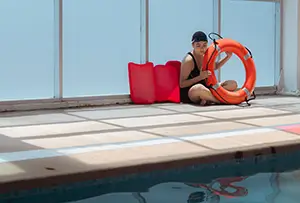
The board should adopt a written program that assigns responsibility for inspections. It should identify who maintains required logs and who may order a closure. The program should also explain when local health officials must be contacted after an incident.
Seasonal inspections should appear on the association’s calendar, and vendor performance should receive an annual review. Reliable HOA pool maintenance works best when the board and manager share information with the contractor.
Keeping the Pool Safe in Every Season
Effective HOA pool safety is an ongoing responsibility rather than a one-time checklist. By adjusting maintenance and security throughout the year, boards can reduce risk and keep the pool ready for safe community use.


