



When springtime rolls around, it’s also the perfect time to refresh your landscaping and gardens and bring them back to life. One of the best ways to improve the health and aesthetics of these areas is through HOA mulching.
What is HOA Mulching?
In gardening, mulching is the practice of applying a layer of composted material on top of your garden beds. It helps and protects plants, retains soil moisture, and prevents erosion. For HOAs, it ensures that the community landscaping and gardens maintain their curb appeal through both visual aesthetics and plant health.
Benefits of HOA Mulching
HOA mulching does a lot of positive things for community landscapes and gardens. It supports plant growth in numerous ways.
Here are the benefits of applying HOA mulch:
1. Preventing Erosion
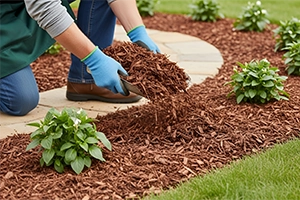
Many people practice mulching to protect the soil. One way it does so is by making erosion less likely. A layer of mulch supports topsoil, helping keep it in place, even after heavy rain. That topsoil contains many nutrients plants need. If that topsoil is washed away, plants would have a harder time growing properly.
This characteristic of mulch greatly benefits sloped landscapes and flood-prone areas. When you incorporate HOA mulching into your landscape, you will notice less soil runoff and better plant health.
2. Maintains Soil Health
Mulching helps maintain the soil health in your garden in many different ways.
As effective as it is in preventing erosion, HOA mulching also prevents soil compaction. Compacted soil makes it difficult for plant roots to take in nutrients and grow. Luckily, mulch acts as a layer that cushions pressure and distributes weight evenly.
Mulching also helps soil health by maintaining soil temperature. The material acts as an insulator, helping retain warmth in the soil during colder days. This helps protect plant roots, which may be sensitive to certain temperatures and temperature changes.
3. Retains Water
Moisture in the soil is crucial for plant growth. Regular HOA mulching helps your soil retain moisture by reducing evaporation. With enough water in the soil, your plants can also thrive easily.
In California, this mulching property helps many water-scarce communities. It helps maintain your plants’ health while reducing reliance on irrigation.
4. Helps Supress Weeds
Weeds tend to suck up all the essential nutrients and water from the soil, leaving little to none to your plants. As such, it is important to keep weeds at bay if you want your landscape or garden to flourish.
In addition to protecting soil and retaining water, mulch supports gardens by preventing weed growth. It does so by physically blocking sunlight from reaching the seeds of unwanted weeds in a garden bed. Without that sunlight, weeds are less likely to germinate and mature.
5. Maintains Curb Appeal
Beyond supporting your plants’ health, mulch also has aesthetic benefits. In HOAs, curb appeal is a crucial consideration for every resident. By using mulch, you also help keep the uniformity and improve the visual appearance of your landscaping and garden plots. With the many different textures and colors of mulch, you can plan different looks for your garden.
HOA Munch Maintenance: When Is the Best Time to Apply Mulch?
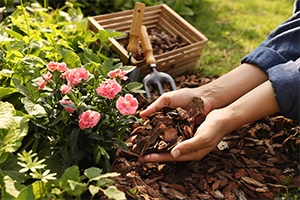
Spring is the ideal time to apply mulch to your landscapes and gardens. This gives the mulch enough time to collect and help retain moisture. It’s also the prime time for this material to suppress weed growth. Late spring also gives the soil itself time to warm up enough to maximize the benefits of Mulch.
As a best practice, you should also mulch the HOA in the fall. Doing so helps replenish the mulch from the spring that had already decomposed. It also serves as preparation for winter, as it helps retain heat during the colder months.
HOA Mulch Guidelines for Residents
While the association is responsible for mulching landscapes and garden plots in common areas, it can also impose HOA lawn care rules that may include guidelines for mulching. These may be in place to ensure uniformity and enhance the community’s visual appeal.
Some of these HOA mulch rules may include the following:
1. Type of Mulch
The HOA can specify the types of mulch homeowners may use. It may do so based on several different factors. These factors may include the specific needs of native plants, the soil type in the area, the climate, and visual preferences.
HOAs may also require homeowners to use a specific type of mulch, depending on where it will be used. It’s possible that the mulch required for garden beds may be different from the type used in landscapes.
2. The Amount of Mulch
As part of the association’s gardening rules, HOA mulching requirements may also include how much mulch residents can use.
Typically, it’s recommended to apply 2-4 inches of mulch on your garden plot or landscape. However, this may depend on the existing natural ground cover.
The HOA may also require homeowners to remove excess or old mulch before adding fresh materials. These rules are in place to prevent water from pooling, which can cause fungus to proliferate in your garden area.
3. How Often
Mulch, especially that made with natural materials, will decompose over time. It eventually breaks down and mixes into the soil, providing it with more nutrients. While this provides more nutrients for plants to absorb, it also means you have less mulch on the ground over time.
Given this consideration, an HOA may require residents to replenish the mulch on the ground. This ensures there’s enough material that would let you maximize its benefits. It also ensures plots and landscapes always look well-kept, maintaining their good visual appearance.
4. Where Mulch Can Be Applied
Yes, HOA mulching has many benefits for plants. However, there are places where it shouldn’t be applied. Putting much in these areas would cause more harm than good, which is why HOAs may have guidelines about it.
You shouldn’t directly place mulch against the base of trees and shrubs. Instead of supporting those plants, it creates the perfect environment for pests to thrive or rot to spread.
Another place residents should avoid adding mulch is low-lying areas that act as catch basins for water. Because the material is so good at retaining moisture, it will absorb too much water, waterlogging the soil and causing root rot.
Mulching should be used away from structures, including buildings and fences. The material may attract termites, which could cause devastating structural damage to wooden structures.
5. Keeping Mulch Neat
Lastly, HOAs usually require residents to keep their landscaping and gardens neat and tidy. That also means homeowners should keep their mulch application neat and tidy. Doing so helps maintain the community’s overall visual appeal.
An Extra Layer of Protection
While many see it as just an extra gardening step, HOA mulching offers many benefits for the community. From keeping plants healthy to improving curb appeal, following this practice regularly and consistently would help the community in the long run.
Optimum property management provides comprehensive HOA services, including landscaping and gardening maintenance services. We provide expert support to communities in Orange County and the Inland Empire.
Call us at (714) 508-9070 or contact us online to learn more!
Related Articles:
- HOA Collections Policy: What Can And Can’t The Board Do?
- Spring Landscape Maintenance for Your Community
- Sustainable Living: Green Initiatives for Southern California HOA Communities


